Paying off a credit card balance is a meaningful financial accomplishment. Whether you've been making steady payments for months or recently paid off a larger balance, reaching a zero balance can provide a sense of progress toward your financial goals.
After the balance is paid, however, many people wonder what they should do next. Should the account remain open? Should the card be used occasionally? Does paying off the balance immediately improve your credit profile?
While every financial situation is different, understanding what may happen after paying off a credit card can help you make informed decisions moving forward.
Your Account Usually Remains Open
Paying a balance in full does not automatically close a credit card account.
Unless you contact the card issuer to close the account, or the issuer closes it under its own policies, the account typically remains open and available for future purchases.
Keeping an account open may continue contributing to your overall available credit.
Your Credit Report Will Update
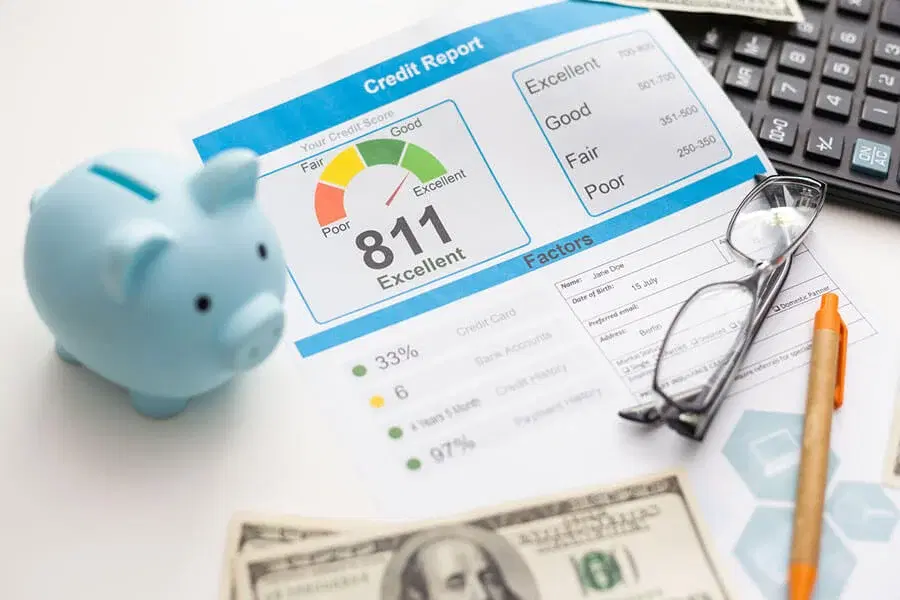
Credit card issuers regularly report account activity to the major credit reporting agencies.
After your payment is processed, your updated balance will generally appear on your credit report during the lender's next reporting cycle. The exact timing varies depending on the issuer.
Your Credit Utilization May Change
One factor commonly discussed in relation to credit is credit utilization, which compares your revolving balances with your available credit limits.
Reducing or eliminating a balance may lower your utilization ratio. Since utilization is only one part of an overall credit profile, it should be considered alongside payment history, account age, and other factors.
Should You Close the Card?
Some people assume they should immediately close a credit card after paying it off.
Whether that makes sense depends on your personal circumstances.
Before closing an account, it may be helpful to consider:
- Whether the card charges an annual fee
- How often you use the account
- Your overall available credit
- Your broader financial goals
There is no one-size-fits-all answer, and different situations may call for different approaches.
Building Healthy Habits
Paying off a balance creates an opportunity to build healthy long-term financial habits.
Many people choose to:
- Continue monitoring monthly statements.
- Pay future balances on time.
- Review their spending regularly.
- Maintain an emergency savings fund.
- Periodically review their credit report.
Developing consistent habits can support broader financial goals beyond simply paying off one account.
Watching for Interest or Fees
After paying off a balance, it's still a good idea to review future statements.
Depending on timing and account activity, statements may reflect interest that accrued before the payment posted or other account-related charges when applicable.
Reading each statement carefully helps ensure there are no surprises.
Questions to Ask Yourself
After paying off a credit card, consider asking:
- Does this account still fit my financial needs?
- Will I continue using it responsibly?
- Have I reviewed my monthly budget?
- Am I working toward additional financial goals?
These questions can help place one financial milestone into the context of a larger financial plan.
Key Takeaways
Paying off a credit card balance is an important achievement, but it is only one step in managing your overall financial health. Understanding how account status, credit reporting, utilization, and long-term habits work together can help you make thoughtful decisions after reaching a zero balance.
By continuing to monitor your accounts and maintaining responsible financial habits, you can build on the progress you've already made.