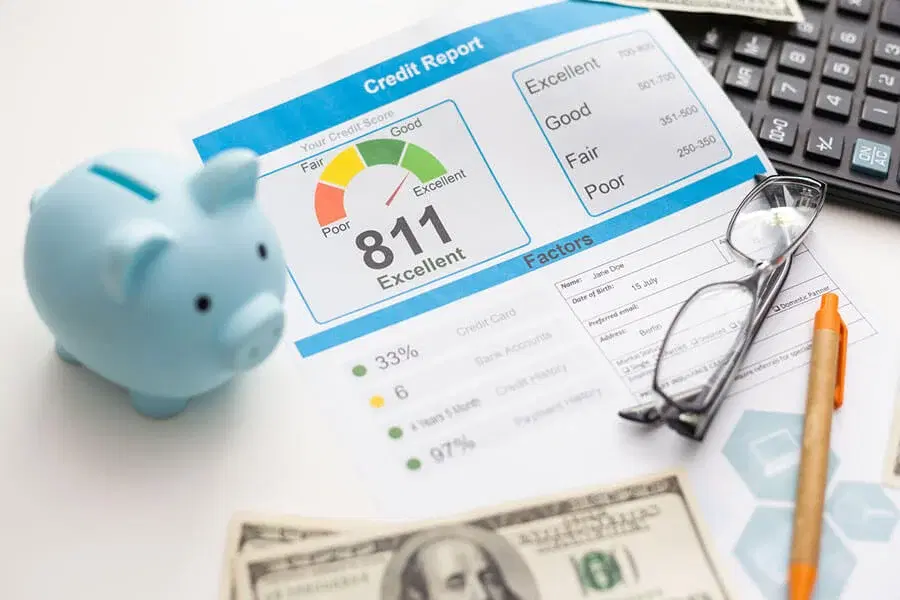
When people talk about credit, the conversation often centers around a three-digit credit score. While that number is an important part of your financial profile, it doesn't tell the whole story. Behind every credit score is a detailed credit report that contains information about your borrowing history, payment habits, and open accounts.
Learning how to read your credit report can help you better understand your financial picture and identify information that may deserve closer attention.
What Is a Credit Report?
A credit report is a record of your credit history compiled by a credit reporting agency. Lenders and other authorized organizations may review this information when evaluating applications for credit or other financial products.
Although reports from different credit bureaus may vary slightly, they generally contain many of the same categories of information.
Personal Information
The beginning of a credit report typically includes identifying information such as:
- Your name
- Current and previous addresses
- Date of birth
- Social Security number (partially masked)
- Employment information (when reported)
This section helps ensure that credit information is associated with the correct individual.
Credit Accounts
Most of the report is dedicated to your credit accounts.
For each account, you may see information including:
- Date the account was opened
- Current balance
- Credit limit (when applicable)
- Payment history
- Account status
- Type of account
Reviewing this section can provide insight into how your borrowing history has developed over time.
Payment History
Payment history is one of the most significant sections of a credit report.
It shows whether payments have generally been made on time and may include any reported late payments. Consistently paying accounts by their due dates is often considered an important aspect of maintaining healthy credit habits.
Credit Inquiries
Your report may also include inquiries showing when organizations have accessed your credit information.
Some inquiries occur when you apply for new credit, while others happen during account reviews or when you check your own credit.
Understanding the difference between various inquiry types can help explain why they appear on your report.
Public Records and Collections
If applicable, a credit report may also contain certain public records or collection accounts that have been reported according to current credit reporting guidelines.
Not every report contains this information, but reviewing it periodically helps ensure you understand what is being reported.
Why Review Your Credit Report?
Checking your credit report periodically allows you to:
- Confirm personal information is accurate.
- Review account balances and payment history.
- Become familiar with your overall credit profile.
- Identify information that may need additional review.
Many people only review their report when applying for credit, but making it a regular financial habit may provide additional awareness over time.
Questions to Ask
As you review your report, consider asking:
- Do I recognize every account listed?
- Is my personal information accurate?
- Have payments been reported correctly?
- Are there accounts I no longer use?
- Do I understand the information being shown?
Key Takeaways
A credit score provides only a snapshot of your financial profile. Your credit report offers much more detailed information about your borrowing history, account activity, and payment record.
Becoming familiar with your credit report can help you better understand your overall financial picture and make informed decisions as your financial goals evolve.