Building healthy credit is rarely the result of one financial decision. Instead, it is often the product of consistent habits practiced over months and years. Whether you're just beginning to establish credit or have managed accounts for decades, responsible credit habits can make it easier to navigate future financial opportunities.
Credit can influence many aspects of personal finance, from qualifying for new accounts to securing favorable borrowing terms. While every person's financial situation is unique, developing sound habits today can help support long-term financial goals tomorrow.
Understanding the Role of Credit
Credit allows consumers to borrow money with the expectation that it will be repaid according to agreed-upon terms.
Responsible use of credit isn't simply about borrowing. It's about demonstrating consistent financial behavior over time. Lenders often consider a variety of factors when evaluating creditworthiness, including payment history, existing obligations, and overall account management.
Make Payments on Time
One of the simplest habits to develop is making every payment by its due date.
Many people use automatic payments, calendar reminders, or budgeting apps to help stay organized. Consistently paying on time helps avoid unnecessary fees and demonstrates responsible account management.
Borrow Only What Fits Your Budget
Having available credit doesn't necessarily mean every purchase should be financed.
Before taking on additional debt, consider whether the monthly payments comfortably fit within your existing budget. Borrowing within your means can reduce financial stress while supporting long-term stability.
Review Your Statements Regularly
Reading monthly statements helps you understand how your accounts are being used.
Regular reviews may help you:
- Confirm transactions are accurate.
- Monitor spending habits.
- Identify unfamiliar activity.
- Track repayment progress.
- Better understand interest and fees.
Even accounts with automatic payments benefit from periodic review.
Maintain an Emergency Fund
Unexpected expenses are part of life.
Building an emergency savings fund may reduce the need to rely on credit during financial emergencies. Even modest savings can provide additional flexibility when unexpected costs arise.
Monitor Your Credit Report
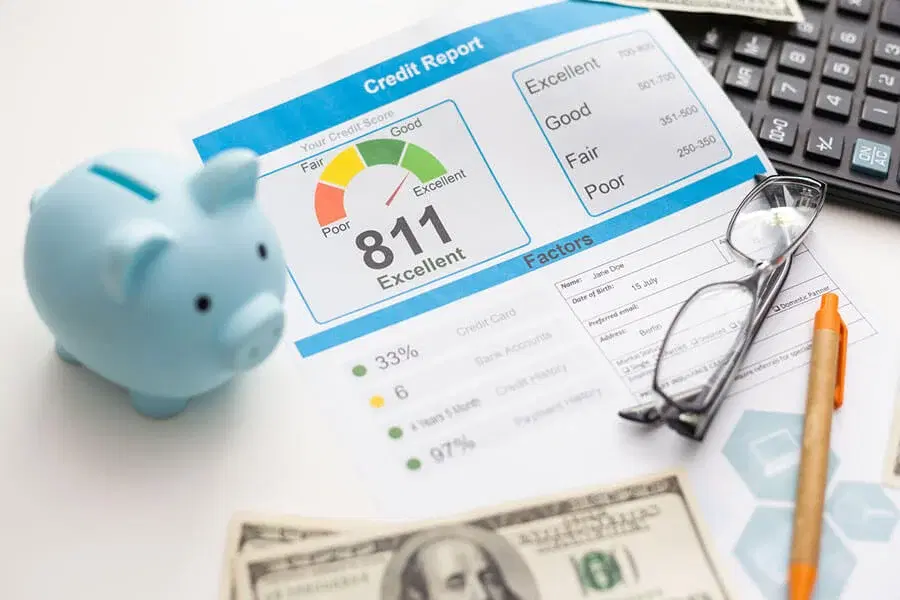
Reviewing your credit report periodically helps you stay familiar with your overall credit profile.
Checking your own report allows you to verify personal information, account history, and reported balances while becoming more comfortable interpreting the information it contains.
Continue Learning
Financial knowledge develops over time.
Learning about budgeting, interest, repayment strategies, and responsible borrowing can help improve confidence when making financial decisions. Educational resources from reputable financial organizations can provide valuable guidance throughout every stage of life.
Questions to Consider
As you evaluate your financial habits, ask yourself:
- Am I making payments consistently?
- Do my borrowing decisions fit within my budget?
- Have I reviewed my credit report recently?
- Am I saving for unexpected expenses?
- Do my current habits support my long-term goals?
Key Takeaways
Responsible credit habits are built through consistency rather than perfection. Making timely payments, borrowing thoughtfully, reviewing accounts regularly, and continuing to learn about personal finance can all contribute to a stronger financial foundation over time.
While no single action guarantees financial success, developing healthy credit habits today may help support future financial opportunities and greater confidence in managing your finances.