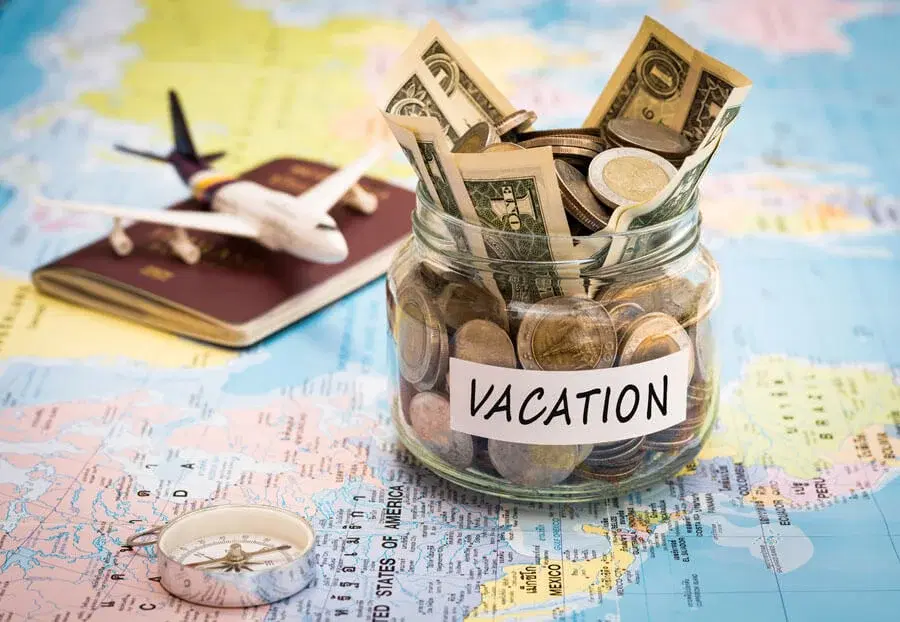
Some of the biggest budget-busters aren't emergencies at all. They're expenses you know are coming: car registration, holiday gifts, an annual insurance premium, back-to-school shopping. A sinking fund is how you pay for them without scrambling.
What a sinking fund actually is
A sinking fund is money you set aside a little at a time for a specific, expected expense. Instead of getting hit with a $600 insurance bill once a year, you save $50 a month and the money is already there when the bill arrives.
The difference from an emergency fund is the word "expected." Emergencies are surprises. Sinking funds are for costs you can see coming on the calendar.
How to set one up
Start by listing your irregular expenses for the year and roughly what each one costs. Then divide each total by the number of months until it's due. That's your monthly amount to set aside.
For example, if you spend about $1,200 on the holidays and it's twelve months away, you'd save $100 a month. If a $300 expense is six months out, that's $50 a month.
Where to keep the money
Keep sinking funds separate from your everyday spending so you're not tempted to dip in. A high-yield savings account works well, and some banks let you create multiple named "buckets" or sub-accounts for different goals.
The label matters more than you'd think. Money marked "car repairs" is easier to leave alone than money sitting in a general account.
Why it beats relying on your emergency fund
When you fund predictable costs on purpose, your emergency fund stays reserved for true surprises. You stop treating every large bill like a crisis, and you avoid reaching for a credit card to cover something you already knew was coming.