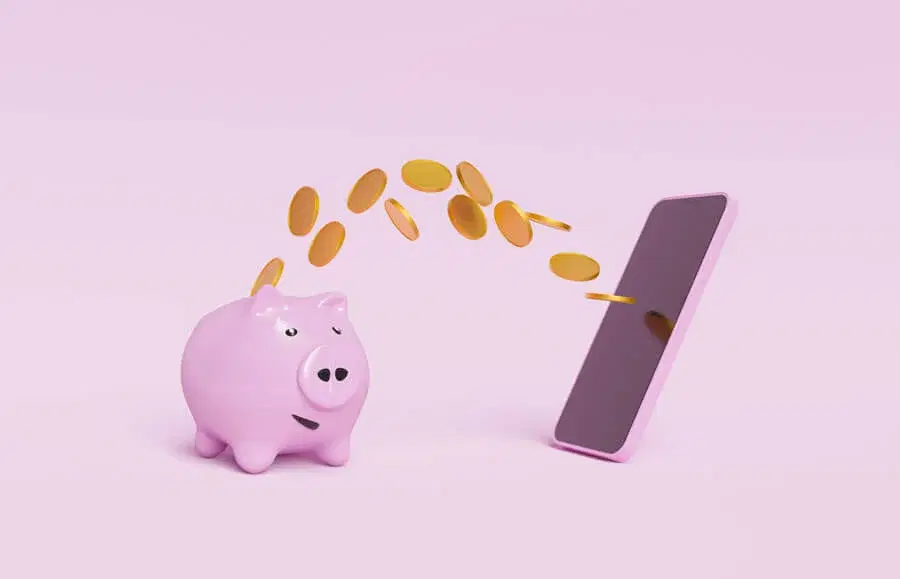
The hardest part of saving isn't the math. It's remembering to do it, month after month, when there are a dozen other things competing for the same dollars. Automation removes the willpower from the equation.
Why automation works
When saving depends on a decision you have to make every payday, it's easy to skip "just this once." Automating the transfer flips the default: the money moves before you can spend it, and you adjust your spending to what's left.
This is the idea behind "pay yourself first." Savings comes off the top, not from whatever happens to be left at the end of the month.
Set up an automatic transfer
Log in to your bank and schedule a recurring transfer from checking into savings. Start with an amount small enough that you won't feel the pinch, even $25 or $50, and let it repeat automatically.
If your employer offers direct deposit splitting, you can send part of each paycheck straight to savings before it ever hits your checking account. Out of sight, out of mind.
Time it with your paycheck
Schedule the transfer for the day after you get paid. That way the money is set aside while your balance is highest, instead of at the end of the pay period when funds are tight.
If your pay is irregular, pick a fixed low amount you can always cover, and add extra manually in stronger months.
Increase it slowly over time
Once the automatic transfer feels invisible, nudge it up. Raise it by a small amount every few months, or bump it whenever you get a raise. Because the increases are gradual, your budget adjusts without any real sense of sacrifice.