It's normal to feel uneasy when headlines report sharp swings in the stock market. One day indexes climb to new highs, and the next they're falling several percentage points. These movements are often described as market volatility.
While volatility can seem alarming, it's a natural part of investing. Markets respond to economic data, corporate earnings, interest rates, world events, and investor expectations. Understanding why prices move, and what those movements may or may not mean, can help investors make more informed decisions over the long term.
What Is Market Volatility?
Volatility refers to the degree to which investment prices move up or down over a period of time. Higher volatility generally means larger or more frequent price swings, while lower volatility suggests prices have been relatively stable.
Every investment experiences some level of volatility. Stocks typically fluctuate more than bonds or cash-equivalent investments, but they have also historically offered greater long-term growth potential.
Why Markets Move
There is rarely a single reason the market rises or falls. Price changes often reflect a combination of factors, including:
- Economic reports
- Inflation expectations
- Interest rate decisions
- Company earnings
- Geopolitical events
- Investor sentiment
Sometimes prices react to expectations rather than current conditions. Markets often attempt to anticipate future developments before they happen.
Volatility Isn't Always Negative
Large market declines naturally receive the most attention, but volatility includes both upward and downward movements.
Periods of strong gains can be just as volatile as periods of losses. Rather than viewing volatility as a sign that something is necessarily wrong, many investors recognize it as part of how financial markets function.
Looking Beyond Daily Headlines
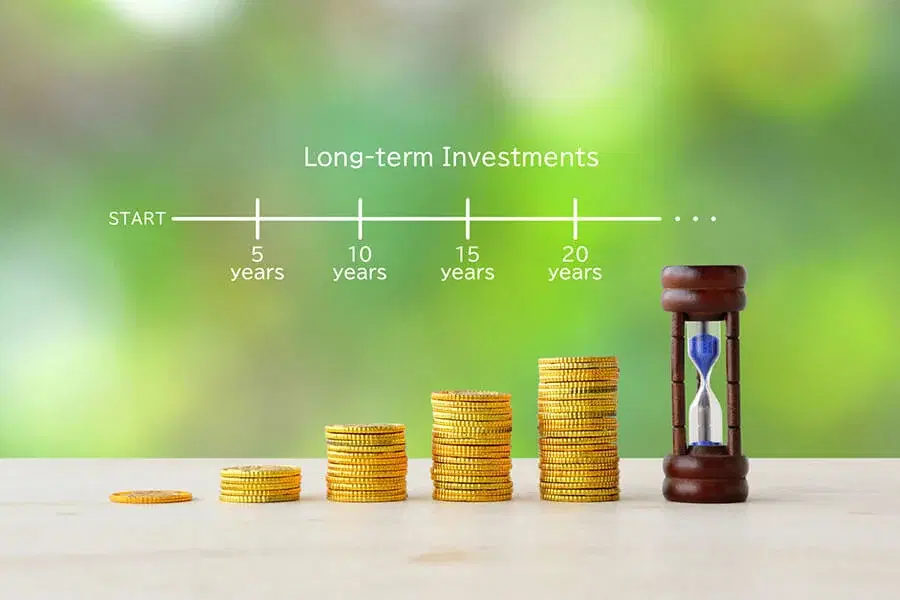
Daily market updates can make investing feel more dramatic than it really is. Short-term price movements may have little impact on investors working toward goals that are years or decades away.
Instead of focusing on day-to-day changes, it may be more helpful to periodically review whether your investment strategy still aligns with your financial objectives, risk tolerance, and timeline.
Common Reactions to Avoid
Volatile markets sometimes encourage emotional decisions. Investors may feel tempted to sell after prices have already fallen or chase investments that have recently performed well.
While every financial situation is different, making investment decisions based solely on short-term emotions can make it more difficult to follow a long-term plan.
Ways Investors Prepare for Volatility
Many long-term investors prepare for market fluctuations before they happen by:
- Maintaining a diversified portfolio
- Investing consistently over time
- Reviewing asset allocation periodically
- Keeping an emergency fund separate from long-term investments
- Remembering that short-term declines are a normal part of market history
Preparation doesn't eliminate risk, but it can help investors respond more thoughtfully during periods of uncertainty.
Questions Worth Asking
Before reacting to market swings, consider asking:
- Has my long-term goal changed?
- Am I reacting to headlines or my financial plan?
- Does my current portfolio still match my risk tolerance?
- Have I reviewed the broader picture rather than today's market movement?
These questions can help shift attention from short-term events to long-term planning.
Key Takeaways
Market volatility is a normal characteristic of investing, not an exception. While price swings can feel uncomfortable, they are influenced by many factors and occur throughout every market cycle.
Rather than focusing exclusively on short-term movements, many investors choose to evaluate investments based on long-term goals, diversification, and an overall financial strategy. Understanding volatility can help build confidence and encourage more informed investing decisions over time.