When many people think about investing, they focus on whether a stock's price rises or falls. While price appreciation is one way investments may grow, some companies also reward shareholders by paying dividends. For long-term investors, deciding what to do with those dividend payments can play an important role in an overall investment strategy.
One common option is dividend reinvestment. Rather than receiving dividend payments as cash, investors can automatically purchase additional shares of the same investment. Over time, this may increase the number of shares owned and create opportunities for long-term compounding.
What Is a Dividend?
A dividend is a distribution of a portion of a company's earnings to its shareholders. Companies that consistently generate profits may choose to return some of those earnings while retaining the rest for future growth.
Not every company pays dividends. Younger companies often reinvest profits into expansion, while more established businesses may be more likely to distribute regular dividends.
How Dividend Reinvestment Works
With dividend reinvestment, each dividend payment is automatically used to purchase additional shares. Many brokerage firms allow investors to enroll in automatic dividend reinvestment programs, often called DRIPs.
Because many brokerages support fractional shares, even small dividend payments can be reinvested immediately.
Why Investors Reinvest Dividends
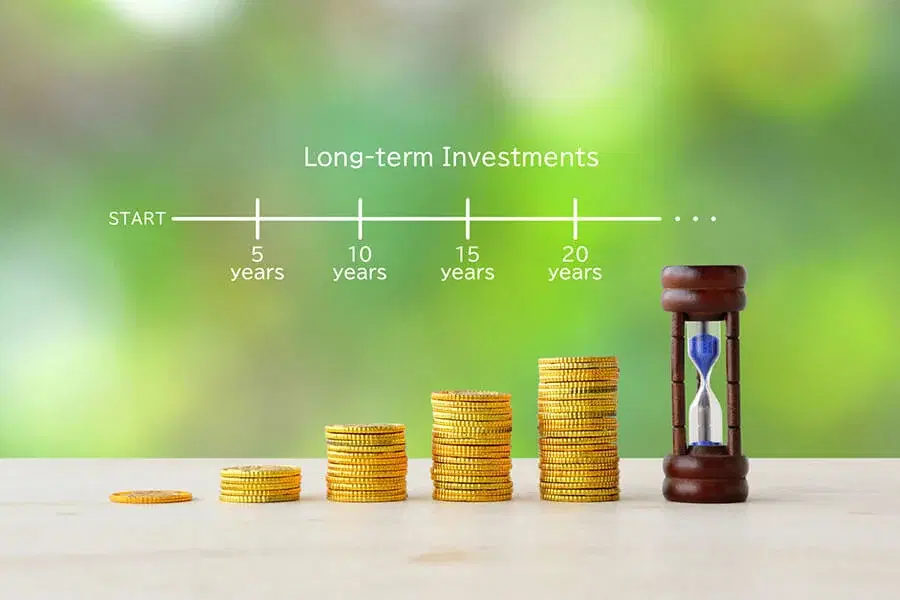
One reason dividend reinvestment is popular is the potential for compounding.
As additional shares are purchased, future dividend payments may be calculated on a larger number of shares. Assuming dividends continue, each payment has the potential to purchase even more shares over time.
Although this process develops gradually, it can become more noticeable over longer investment periods.
Dividends Are Only Part of Total Return
Dividend income should not be viewed in isolation.
An investment's overall return may include:
- Share price appreciation
- Dividend income
- Reinvested dividends
- Changes in market value
Looking at total return provides a broader understanding of how an investment has performed.
Dividend Yield Isn't Everything
A higher dividend yield may seem attractive, but it should not be the only factor when evaluating an investment.
Investors often also consider:
- Company financial strength
- Dividend payment history
- Industry conditions
- Long-term business outlook
- Portfolio diversification
These factors can provide valuable context beyond the dividend itself.
When Cash Dividends May Be Appropriate
Some investors choose to receive dividends as cash rather than automatically reinvesting them.
For example, retirees or investors seeking regular income may prefer cash distributions to help support living expenses.
The appropriate choice depends on an individual's goals and financial situation.
Questions to Consider
Before enabling dividend reinvestment, ask yourself:
- Am I investing for long-term growth?
- Would reinvestment fit my current financial goals?
- Is this investment diversified?
- Do I understand the company's overall strategy?
Key Takeaways
Dividend reinvestment is one way investors may gradually increase the number of shares they own while allowing potential investment growth to compound over time.
Whether you choose to reinvest dividends or receive them as cash, understanding how dividend payments fit within your overall investment strategy can help you make more informed long-term decisions.