Beginning an investing journey can feel exciting, but it can also feel overwhelming. With endless financial headlines, social media opinions, and market predictions, it's easy to believe every investment decision needs to be perfect. In reality, successful investing is often built on consistency, patience, and thoughtful planning rather than trying to predict what markets will do next.
Even experienced investors occasionally make mistakes. The important part is recognizing common pitfalls before they become long-term habits. Understanding these challenges can help new investors make more informed decisions while developing confidence over time.
Trying to Time the Market
One of the most common mistakes is attempting to buy investments at the absolute lowest price and sell them at the highest.
While this sounds appealing, accurately predicting short-term market movements is extremely difficult. Markets respond to countless economic and global factors, many of which are impossible to anticipate.
Rather than focusing on perfect timing, many long-term investors emphasize consistency and investing according to a well-defined financial plan.
Investing Without Clear Goals
Investments often serve different purposes.
Some people invest to build retirement savings, while others save for a home purchase, education expenses, or long-term wealth building.
Without clear objectives, it becomes more difficult to determine whether an investment strategy is appropriate.
Before choosing investments, consider defining:
- Your financial goals
- Your expected investment timeline
- Your comfort with market fluctuations
- How investments fit into your overall financial plan
Letting Emotions Drive Decisions
Financial markets naturally experience periods of optimism and uncertainty.
When markets rise quickly, investors may feel pressure to invest more aggressively. During market declines, fear may encourage selling after prices have already fallen.
Emotional decisions can make it difficult to follow a long-term investment strategy. Periodically reviewing your financial goals instead of reacting to daily headlines may help maintain perspective.
Overlooking Diversification
Putting a large percentage of your portfolio into a single company or industry increases concentration risk.
Diversification involves spreading investments across multiple companies, industries, asset classes, and geographic regions. Although diversification cannot eliminate losses, it may reduce the impact of any single investment performing poorly.
Focusing Only on Recent Performance
Investments that performed exceptionally well last year may not necessarily continue that trend.
While historical performance provides useful information, it represents only one part of evaluating an investment.
Investors often review additional factors such as risk, diversification, investment strategy, and long-term objectives before making decisions.
Forgetting About Investment Costs
Fees may appear small on an annual basis, but they can influence long-term investment growth.
When comparing similar investments, it may be helpful to review expense ratios, transaction costs, and other fees alongside overall investment strategy.
Understanding costs doesn't necessarily mean choosing the lowest-cost option. It means understanding what you're paying for.
Expecting Immediate Results
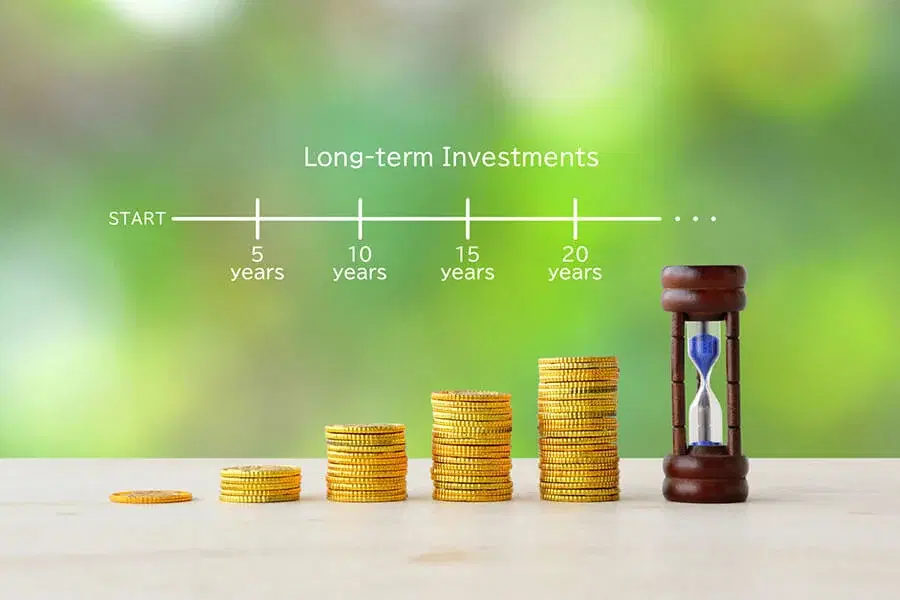
Building wealth through investing generally takes time.
Many successful investment strategies rely on years or even decades of consistent contributions rather than rapid gains over short periods.
Setting realistic expectations may help reduce frustration during periods when markets experience normal fluctuations.
Continuing to Learn
Investing is an ongoing learning process.
Markets evolve, financial products change, and personal goals shift over time. Reading educational resources, reviewing your portfolio periodically, and asking thoughtful questions can help improve investment knowledge without feeling pressured to know everything immediately.
Questions to Ask Yourself
As you build your investing habits, consider asking:
- Do I understand why I own each investment?
- Am I investing according to my long-term goals?
- Is my portfolio appropriately diversified?
- Have I made decisions based on research rather than emotion?
- Am I reviewing my investments periodically instead of constantly?
Key Takeaways
Every investor starts somewhere, and making small mistakes along the way is part of the learning process. Rather than trying to avoid every possible error, focus on developing consistent habits, maintaining realistic expectations, and making decisions that support your long-term financial objectives.
Successful investing is rarely about finding the perfect investment. More often, it comes from building a disciplined approach that can adapt as your goals and circumstances evolve.