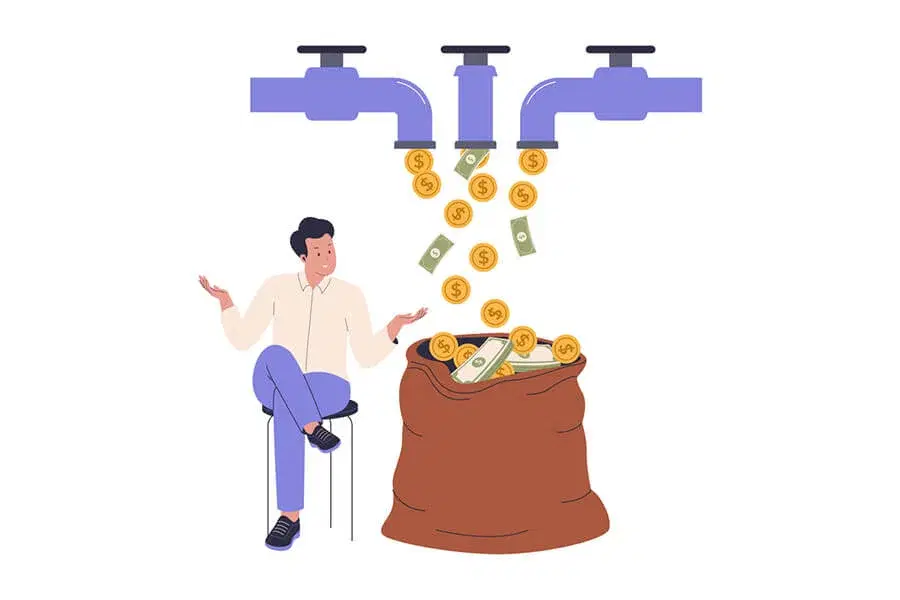
For many people, retirement income doesn't come from a single paycheck. Instead, it often consists of several income sources working together to help cover everyday expenses and long-term financial needs. Understanding these income streams before retirement can make it easier to estimate future cash flow and prepare for changing financial circumstances.
While every retirement plan is unique, knowing where your income may come from is an important part of building a well-rounded retirement strategy.
Why Multiple Income Sources Matter
Relying on one source of retirement income may not provide the flexibility many retirees want. By understanding how different income sources fit together, retirees can better estimate monthly income while preparing for changes in expenses over time.
Diversifying retirement income is similar to diversifying investments. It may provide additional flexibility and reduce dependence on any single source.
Common Retirement Income Sources
Many retirees receive income from a combination of sources, including:
- Employer-sponsored retirement plans
- Individual retirement accounts (IRAs)
- Social Security benefits
- Pension benefits (when available)
- Taxable investment accounts
- Personal savings
The mix of income sources varies depending on employment history, savings habits, and personal financial goals.
Understanding Withdrawal Strategies
One important part of retirement planning involves deciding how retirement savings will be used.
Rather than withdrawing funds randomly, many retirees create a withdrawal strategy that considers:
- Monthly expenses
- Expected retirement income
- Taxes
- Investment allocation
- Long-term sustainability
Withdrawal strategies often evolve over time as financial needs change.
Balancing Guaranteed and Variable Income
Some retirement income sources provide relatively predictable payments, while others may fluctuate depending on investment performance or withdrawal decisions.
Understanding which income sources are more stable and which may vary can help retirees build realistic spending plans.
Continue Reviewing Your Plan
Retirement planning doesn't stop after leaving the workforce.
Many retirees periodically review:
- Annual spending
- Investment performance
- Healthcare costs
- Tax considerations
- Estate planning documents
Regular reviews can help ensure a retirement plan continues supporting changing priorities.
Preparing Before Retirement
If retirement is still years away, there are several ways to strengthen future income planning:
- Increase retirement contributions when possible.
- Review investment allocations periodically.
- Estimate future spending needs.
- Learn about available retirement accounts.
- Build healthy long-term saving habits.
Small adjustments made over many years may have a meaningful impact later in life.
Questions to Consider
As you think about retirement income, ask yourself:
- Where will my retirement income come from?
- Have I estimated my future monthly expenses?
- Do I understand how each income source works?
- Am I reviewing my retirement plan regularly?
Key Takeaways
Most retirees rely on several income sources rather than a single paycheck. Understanding how retirement accounts, savings, pensions, Social Security, and investments may work together can help you create a more complete financial picture.
Reviewing your retirement income strategy periodically allows you to adapt as your goals, expenses, and financial circumstances evolve over time.